

In Australia, clinics generally follow a similar pathway, even if the exact order varies. A LASIK consult typically includes pre-screening, in-depth testing, a clinical discussion, and a clear plan for next steps.
What should they do before a LASIK consult?
They usually complete a pre-appointment questionnaire and follow a few preparation rules so results are accurate. This early admin step helps the clinic spot obvious red flags, estimate suitability, and plan what tests are needed.
Many clinics ask them to stop wearing contact lenses beforehand because lenses can temporarily change corneal shape, which is an important consideration when preparing for surgery lasik. They should follow the clinic’s timeframe, which can differ between soft and rigid lenses.
What paperwork and medical history questions are covered?
They will be asked about their general health, eye health, medications, and past procedures. This matters because some conditions can affect healing, dryness, or refractive stability.
They are often asked about autoimmune conditions, diabetes, pregnancy or breastfeeding, eye injuries, chronic dry eye, and prior infections. They may also be asked about their occupation, sport, and screen time, because these influence risk and aftercare planning for a LASIK consult.
How do clinics confirm their current prescription and vision goals?
They measure how well they see now and what they want to achieve, then confirm whether expectations are realistic. This includes checking their prescription, their best-corrected vision, and whether both eyes work well together.
They may be asked what they dislike about glasses or contacts, and what matters most, such as night driving, sport, or reducing dependence on spectacles. Clear goals upfront help the surgeon tailor advice during the LASIK consult.
What eye scans and measurements are performed?
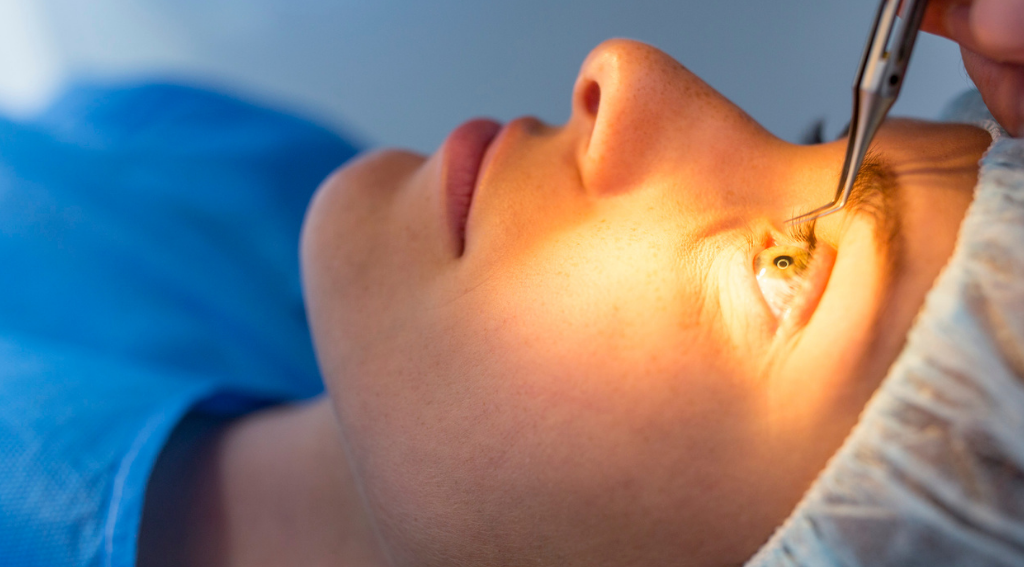
They should expect a series of scans that map the cornea and the eye’s focusing system. These scans help confirm whether their cornea is thick and regular enough for treatment.
Common tests include corneal topography or tomography (shape and curvature), pachymetry (thickness), and pupil size in different lighting. These results help screen for conditions like keratoconus risk and guide how a LASIK consult is interpreted.
Why is corneal thickness checked so carefully?
Corneal thickness influences how much tissue can be safely reshaped. If too much is removed, the cornea can become unstable, so this is a key safety gate.
They are not just looking at a single number. The surgeon also considers corneal shape, distribution of thickness, and how much correction is required, because all of these affect whether LASIK is appropriate within the LASIK consult.
How is dry eye assessed during the appointment?
They usually check tear quality and eyelid health because dryness can worsen temporarily after laser eye surgery. If they already have dry eye, symptoms may be more noticeable during recovery.
The clinic may ask about gritty sensation, fluctuating vision, contact lens intolerance, and screen-related dryness. They might also examine meibomian glands and tear film stability, then recommend treatment before proceeding with surgery as part of the LASIK consult plan.
What happens during the refraction and vision testing?
They will go through refraction, which is the “which is better, one or two?” test, plus checks of visual acuity and focusing. This confirms the prescription and whether it is stable.
They may have both subjective refraction and automated measurements. If their prescription has changed recently, the surgeon may recommend waiting until it becomes stable, which is a common consideration during a LASIK consultation in Australia.
Will their eye pressure be measured, and why does it matter?
Yes, intraocular pressure is commonly measured because it can relate to glaucoma risk and overall eye health. It is also helpful for building a baseline before any procedure.
Eye pressure is interpreted alongside corneal thickness, because thicker or thinner corneas can affect readings. If anything looks suspicious, they may be referred for further assessment before moving forward from a LASIK consult.
Why do they dilate pupils, and what does that check?
They may use dilating drops to examine the retina and optic nerve in more detail. This helps rule out retinal tears, degeneration, or other conditions that could affect safety or visual outcomes.
After dilation, their near vision may be blurry and they may be light sensitive for a few hours. Many clinics suggest they do not drive themselves home, which is practical planning that often comes up during a LASIK consult.
What does the surgeon evaluate to confirm suitability?
The surgeon weighs the test results against their prescription, corneal structure, eye health, and lifestyle risks. The goal is to identify who is likely to benefit and who should consider other options.
Suitability decisions are often based on corneal regularity, thickness, dryness, pupil size, prescription range, and stability. If they are not a strong candidate, a good LASIK consult should clearly explain why and what alternatives exist.
What alternatives might be discussed if LASIK is not ideal?
They may be offered PRK, SMILE, or implantable contact lenses (ICL), depending on their eyes and prescription. Each option has different recovery timelines and risk profiles.
For example, PRK may suit thinner corneas but can involve longer surface healing. SMILE may be preferred for some prescriptions and corneal considerations. In Australia, many clinics cover these comparisons directly as part of a LASIK consult.
How are risks and side effects explained in plain language?
They should expect a clear discussion of common side effects and less common complications. A quality explanation helps them make an informed decision rather than relying on marketing.
Topics often include dry eye, glare and halos at night, fluctuating vision during healing, infection, inflammation, under or over-correction, and the potential need for enhancement. The surgeon should also explain how risks apply to their specific measurements from the LASIK consult.
What should they ask about night driving, glare, and halos?
They should ask how their pupil size, prescription, and corneal profile may affect night vision. Some people notice halos or starbursts after surgery, especially early on.
The clinic can explain whether wavefront-guided or topography-guided approaches are relevant, and what is typical during recovery. This is a practical, lifestyle-focused part of a LASIK consult that often influences confidence.
How do they talk about presbyopia and reading glasses?
If they are in their 40s or older, they should expect a discussion about presbyopia, which is the natural loss of near focusing. Even with perfect distance correction, they may still need reading glasses later.
They may discuss monovision, where one eye is set for near and the other for distance, or other strategies. A LASIK consult should be upfront that laser surgery does not stop natural age-related changes.
What does the consultation cover about the procedure day?
They will usually get a step-by-step overview of what happens on surgery day, including timing, drops, and what they will feel. This helps reduce anxiety and sets realistic expectations.
They are often told the laser portion is brief, but preparation and checks take longer. They will also be told they need someone to drive them home, and they may be given instructions about makeup, perfumes, and eye products before surgery, which is standard in a LASIK consult.
What aftercare and recovery steps are explained?
They should receive clear instructions on drops, hygiene, activity restrictions, and follow-up visits. These rules are designed to reduce infection risk and support stable healing.
Common guidance includes avoiding swimming, spas, and eye rubbing for a period, while taking screen breaks if dryness becomes worse. They may also receive a schedule for check-ups during the first days and weeks, with these instructions usually outlined clearly after LASIK eye correction.
How do they estimate costs and what is included in Australia?
They will usually be given a written quote that explains what the fee covers. In Australia, inclusions vary by clinic, so they should check details rather than assume.
They may ask whether the price includes scans, surgeon fees, follow-ups, enhancement policies, and aftercare drops. Transparent pricing is part of a good LASIK consult because it prevents surprises and helps them compare clinics fairly.
What red flags should they watch for during a LASIK consult?
They should be cautious if the clinic rushes testing, avoids explaining results, or pressures them to book immediately. Laser eye surgery is elective, so they should feel comfortable taking time to decide.
They should also watch for vague answers about risks, dry eye management, or suitability criteria. A trustworthy LASIK consult should show them their scans, explain what they mean, and document recommendations.
How do they decide whether to proceed after the appointment?
They proceed when they understand benefits, risks, costs, and recovery, and their test results support safety. If they feel uncertain, they can request a copy of results and seek a second opinion.
They should weigh lifestyle needs such as sport, shift work, and night driving, plus practicalities like time off work and childcare. A strong LASIK consult ends with a clear, pressure-free plan, including what to do next and when to re-check if they are not ready yet.
What is the simplest takeaway from a typical LASIK consult?
A LASIK consult is essentially a safety and suitability investigation, followed by an honest conversation about outcomes. If their eyes are suitable, they should leave with a clear plan for procedure day and recovery.
If their eyes are not suitable, they should still leave with answers and alternatives. Either way, a well-run LASIK consult in Australia should help them make a confident, informed decision based on their own measurements and goals.
FAQs (Frequently Asked Questions)
What should I do to prepare before a LASIK consult in Australia?
Before your LASIK consult, you should complete a pre-appointment questionnaire and follow the clinic’s preparation guidelines. This often includes stopping contact lens wear for a specified period, as lenses can temporarily alter corneal shape. Following these steps ensures accurate test results and helps clinics assess your suitability effectively.
What medical history information is important during a LASIK consultation?
During the consultation, you’ll be asked about your general and eye health, medications, past eye procedures, and conditions like autoimmune diseases, diabetes, pregnancy or breastfeeding status, chronic dry eye, and prior infections. Additionally, lifestyle factors such as occupation, sports activities, and screen time are discussed to tailor risk assessment and aftercare planning.
How do clinics determine if my vision goals are realistic for LASIK surgery?
Clinics measure your current prescription and best-corrected vision while discussing what you want to achieve with surgery. They evaluate whether both eyes work well together and ask about your preferences, such as reducing dependence on glasses or improving night driving vision. This helps surgeons set clear expectations and personalize advice during the consult.
What eye tests are performed during a LASIK consult to assess suitability?
You can expect comprehensive scans including corneal topography or tomography to map corneal shape and curvature, pachymetry to measure corneal thickness, and pupil size measurements under different lighting conditions. These tests help detect conditions like keratoconus risk and determine if your cornea is suitable for safe laser reshaping.
Why is assessing corneal thickness crucial before LASIK surgery?
Corneal thickness determines how much tissue can be safely reshaped during LASIK without compromising corneal stability. Surgeons consider not only thickness but also corneal shape, thickness distribution, and the degree of correction needed. Ensuring adequate thickness is key to preventing complications post-surgery.
How are risks and side effects of LASIK explained during the consultation?
A thorough LASIK consult includes clear discussions about common side effects like dry eye or visual disturbances such as glare and halos, as well as less common complications. Clinics aim to provide plain-language explanations so you can make an informed decision beyond marketing messages.