
In Australia, the procedure is commonly offered in major cities like Sydney, Melbourne, Brisbane, Perth, and Adelaide, with suitability confirmed through detailed pre-op scans and measurements.
What part of the cornea does LASIK eye correction change?
Lasik eye correction primarily changes the corneal stroma, the thick middle layer that provides most of the cornea’s shape. The laser reshapes this layer so the cornea bends light differently.
The corneal epithelium (the surface “skin”) is lifted with the flap rather than fully removed, which is a key difference from PRK-style surface treatments.
How does LASIK eye correction reshape the cornea to fix vision?
Lasik eye correction changes the cornea’s curvature so images land sharply on the retina. For myopia, it typically flattens the central cornea; for hyperopia, it steepens the central zone by removing tissue in the periphery; for astigmatism, it evens out an irregular curve.
The amount removed is tiny, usually measured in microns, but it can meaningfully alter focusing power.
What exactly is the flap in LASIK eye correction?
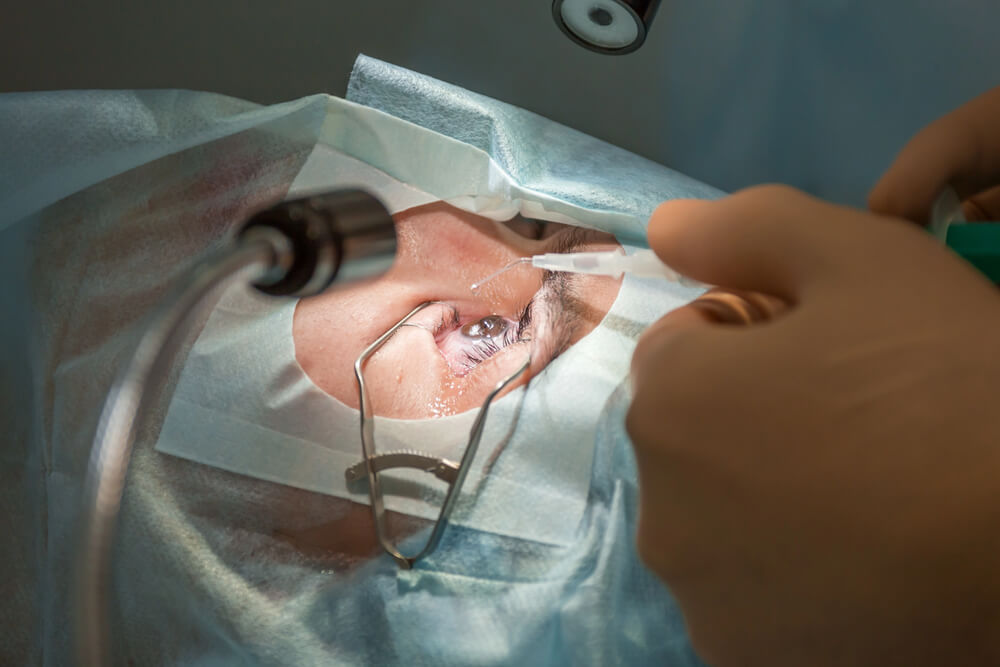
The flap is a thin, hinged layer made from the front of the cornea, usually including epithelium and part of the anterior stroma. Lasik eye correction uses this flap to access the underlying tissue for laser reshaping, then places the flap back down.
In Australian clinics, the flap is commonly created with a femtosecond laser, though some providers may still use a microkeratome depending on their systems and patient factors.
What does the laser remove during LASIK eye correction?
Lasik eye correction removes a calculated amount of stromal tissue in a specific pattern unique to the person’s prescription and corneal measurements. This tissue removal is what produces the new corneal shape.
The laser does not remove the whole surface layer like a surface ablation procedure. Instead, the flap provides access and then acts like a natural bandage when repositioned.
Does LASIK eye correction change the cornea’s strength?
Yes, Lasik eye correction can reduce corneal biomechanical strength because it removes tissue and involves a flap, and the cornea is a load-bearing structure. That is why screening focuses heavily on thickness, shape, and stability to reduce the risk of post-op ectasia.
Australian refractive surgeons typically use corneal topography and tomography to identify higher-risk patterns before recommending any laser procedure.
How does LASIK eye correction affect corneal nerves and dryness?
Lasik eye correction can temporarily disrupt corneal nerves, particularly those in the front layers, which can reduce tear reflex and contribute to dry eye symptoms. Many people improve over time as nerves recover, but management can be important early on.
Australian clinicians often recommend lubricating drops, lid hygiene, and dry eye assessment pre-op, especially for those with screen-heavy work or pre-existing dryness.
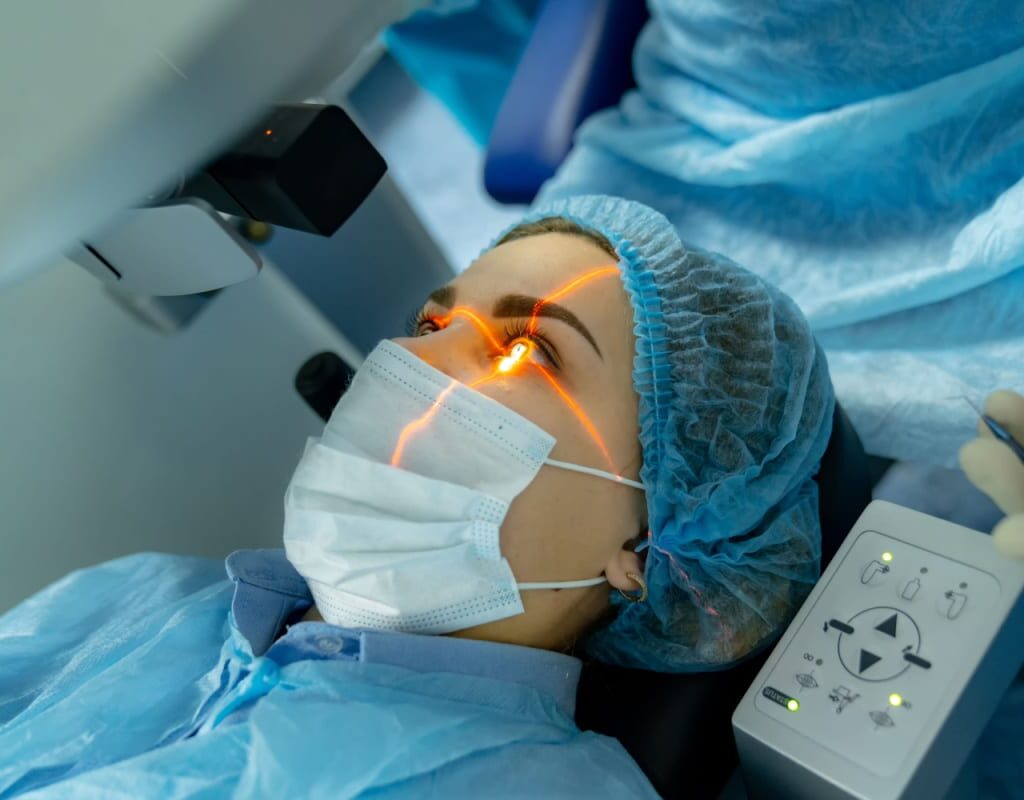
Does LASIK eye correction change the cornea’s surface quality?
LASIK eye correction can improve functional optics by smoothing the overall corneal curvature for clearer focus, although it may introduce subtle higher-order aberrations in some cases. These changes can affect night vision, glare, or halos, particularly in people with larger pupils or higher prescriptions.
Modern wavefront-guided or topography-guided approaches used in Australia aim to better match the treatment to the person’s optical system and corneal shape.
How does LASIK eye correction affect corneal thickness?
Lasik eye correction reduces corneal thickness because the laser removes stromal tissue, and the flap also has a set thickness. This is why a “residual stromal bed” must remain above a safety threshold to keep the cornea stable.
Australian pre-op workups usually include pachymetry mapping, not just a single thickness number, because thickness distribution matters.
What changes in the cornea are permanent after LASIK eye correction?
The stromal reshaping from Lasik eye correction is intended to be permanent, because the tissue that is removed does not grow back. The flap typically adheres and stabilises, but it never heals exactly like untouched cornea.
While the shape change is long-lasting, a person’s eyes can still change over time from normal ageing, hormonal factors, or lens changes inside the eye.
Can the cornea “regrow” after LASIK eye correction?
No, the removed stromal tissue does not regrow in the same way skin might. Lasik eye correction relies on a stable structural change, not temporary swelling or healing.
However, the cornea can undergo subtle wound-healing responses, and some people experience small prescription shifts over years, which is one reason enhancements are sometimes discussed.
How does LASIK eye correction differ from PRK in what it changes?
Lasik eye correction reshapes the stroma under a flap, while PRK removes the epithelium and reshapes the surface stroma directly. Both aim to change corneal curvature, but they affect healing patterns and nerve disruption differently.
In Australia, PRK may be preferred for some people with thinner corneas, certain corneal shapes, contact sport participation, or flap-related concerns, depending on surgeon guidance.
What do Australian clinics measure before LASIK eye correction to protect the cornea?
They measure corneal thickness, curvature, and elevation patterns to detect conditions like keratoconus or subtle irregularity. They also assess tear film quality, pupil size in low light, and overall eye health to reduce complication risk.
Many Australian providers use topography and tomography together, since these can reveal both front and back surface changes, which is important when deciding if Lasik eye correction is appropriate.
What risks are directly related to corneal changes from LASIK eye correction?
The main cornea-linked risks include dry eye symptoms, night vision disturbances, flap complications, infection, inflammation, and rare biomechanical instability like ectasia. The overall risk profile varies by prescription level, corneal thickness, and pre-op shape.
Australian surgeons generally focus on careful selection and conservative planning to minimise how much tissue must be removed while still meeting visual goals.
How quickly do corneal changes settle after LASIK eye correction?
Initial corneal healing happens quickly, often within days, but fine visual stability can take weeks as the tear film normalises and the cornea settles. Some people notice fluctuations early, especially in dry environments or with heavy screen use.
In Australian conditions, air conditioning, heaters, and coastal winds can all affect dryness, so aftercare often includes regular lubrication and follow-up checks.
Does LASIK eye correction change the cornea’s ability to handle impact?
Because a flap is created, some clinicians consider trauma risk in people who play contact sports or work in environments with higher eye-injury risk. Lasik eye correction does not usually limit day-to-day activities long-term, but lifestyle can influence procedure choice.
In Australia, people involved in sports like rugby, AFL, martial arts, or certain trades may be counselled about PRK or other options depending on their risk profile.
What does LASIK eye correction not change in the eye?
Lasik eye correction does not change the lens inside the eye, the retina, or the underlying causes of age-related near vision loss (presbyopia). Someone may still need reading glasses later even if distance vision is excellent after laser treatment.
It also does not prevent future eye diseases, so regular eye checks in Australia remain important, particularly for glaucoma risk, diabetes-related eye changes, or family history concerns.
When might corneal changes from LASIK eye correction be less predictable?
Higher prescriptions, very dry eyes, irregular corneal topography, or borderline thickness can make outcomes less predictable or increase risk. Healing responses vary between individuals, and some may be more prone to residual prescription or night symptoms.
Australian surgeons commonly manage this by recommending different procedures, planning a conservative correction, or advising against surgery if corneal safety margins are not strong. These decisions are often discussed during a LASIK consultation, where suitability and potential risks can be assessed before treatment.
How can they tell if LASIK eye correction changed the cornea as intended?
Follow-up checks confirm vision, corneal clarity, and shape stability using refraction tests and corneal imaging. They also assess tear film and ocular surface health, because dryness can mimic blur even when reshaping is accurate.
In Australia, most clinics schedule several reviews in the first weeks to months to ensure the corneal outcome matches the planned correction and to address symptoms early.
What is the simplest way to describe what LASIK eye correction changes?
Lasik eye correction changes the cornea’s shape by removing microscopic tissue under a thin flap, so the eye focuses light more precisely. That reshaping is the core mechanism behind clearer uncorrected vision for many people.
The decision to proceed should be guided by corneal measurements, lifestyle needs, and a clinician’s advice based on Australian standards of screening and follow-up care.
FAQs (Frequently Asked Questions)
What part of the cornea does LASIK eye correction primarily change?
LASIK eye correction primarily reshapes the corneal stroma, which is the thick middle layer responsible for most of the cornea’s shape. The procedure involves lifting a thin flap that includes the epithelium and part of the anterior stroma to access this layer for laser treatment.
How does LASIK reshape the cornea to correct different vision problems?
LASIK changes the cornea’s curvature to focus light accurately on the retina. For myopia (short-sightedness), it flattens the central cornea; for hyperopia (long-sightedness), it steepens the central zone by removing peripheral tissue; and for astigmatism, it smooths out irregular curves. The laser removes microscopic amounts of stromal tissue tailored to each individual’s prescription.
What is the significance of the corneal flap in LASIK surgery?
The flap is a thin, hinged layer created from the front portion of the cornea, including epithelium and some anterior stroma. It provides access to underlying tissue for precise laser reshaping and is then repositioned to act as a natural bandage, promoting faster healing compared to surface ablation procedures.
Does LASIK eye correction affect the strength and stability of the cornea?
Yes, because LASIK removes stromal tissue and involves creating a flap, it can reduce corneal biomechanical strength. Therefore, thorough pre-operative screening using corneal topography and tomography is essential in Australian clinics to assess thickness, shape, and stability and minimize risks like post-operative ectasia.
How does LASIK impact corneal nerves and dry eye symptoms?
LASIK can temporarily disrupt corneal nerves in the anterior layers, which may reduce tear production reflexes leading to dry eye symptoms. Most patients experience nerve recovery over time, but early management with lubricating drops, lid hygiene, and pre-operative dry eye assessments are commonly recommended in Australia.
What permanent changes occur in the cornea after LASIK surgery?
The stromal reshaping achieved through LASIK is intended to be permanent since removed tissue does not regenerate. While the flap adheres post-surgery, it never heals exactly like untouched corneal tissue. Despite lasting shape changes, natural aging or other ocular factors can still alter vision over time.