Home Sleep Study Brisbane

Is a Home Sleep Study Brisbane Better Than In-Clinic Testing?

For many people in Brisbane, a home sleep study can be a better first step than in-clinic testing because it is cheaper, faster to book, and more comfortable. But it is not automatically “better” for everyone, since some symptoms and medical histories require the extra detail a lab can capture.

The right choice depends on what they need to diagnose, how complex their sleep problem looks, and what their doctor is trying to rule out when considering a home sleep study Brisbane compared to in-clinic testing.

Is a home sleep study in Brisbane accurate enough for sleep apnoea?

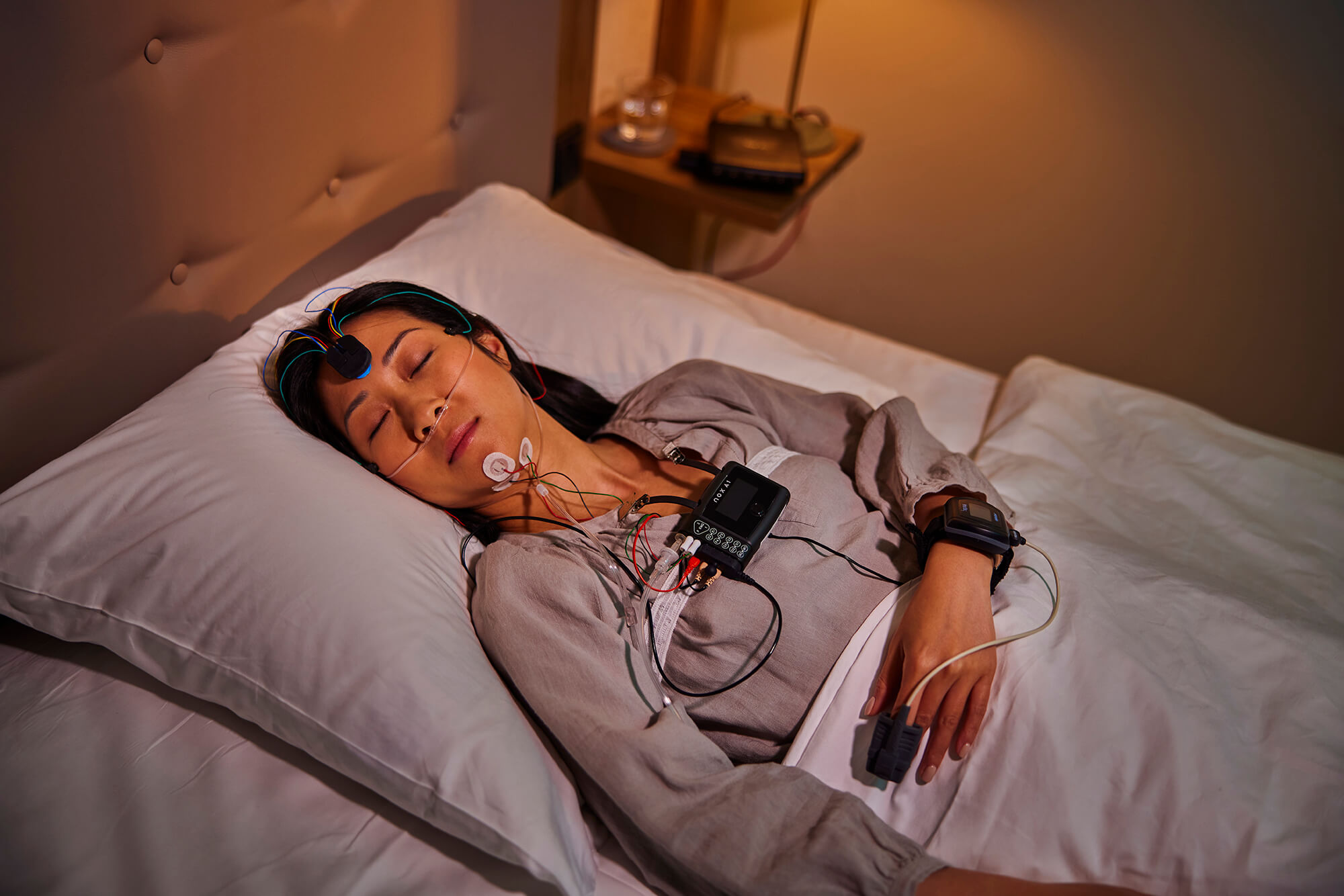
Yes, for straightforward suspected obstructive sleep apnoea, home sleep studies are usually accurate enough to confirm the condition and guide treatment. They measure breathing, oxygen levels, heart rate, and airflow patterns that reveal apnoea events.

Accuracy can drop if they have other sleep disorders, significant heart or lung disease, or if the sensors are applied poorly. Most providers include instructions and phone support to reduce recording errors.
Home Sleep Study Brisbane

What does an in-clinic sleep study measure that home testing can miss?

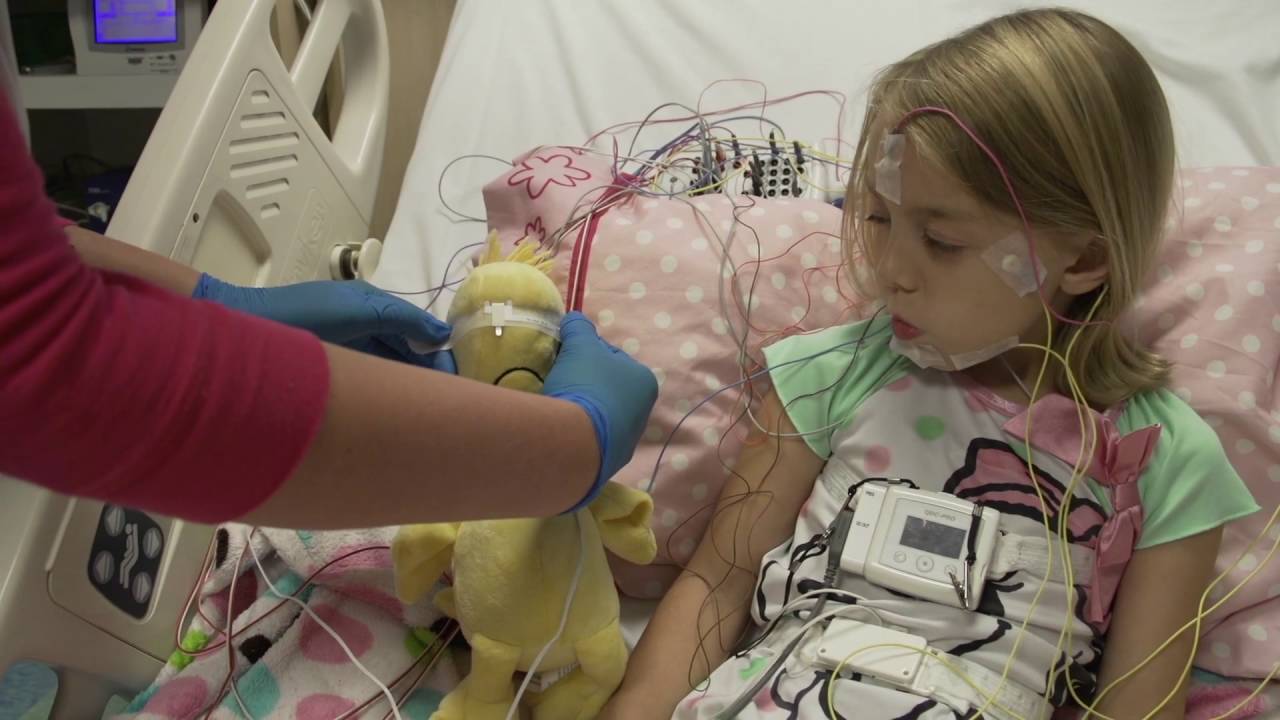
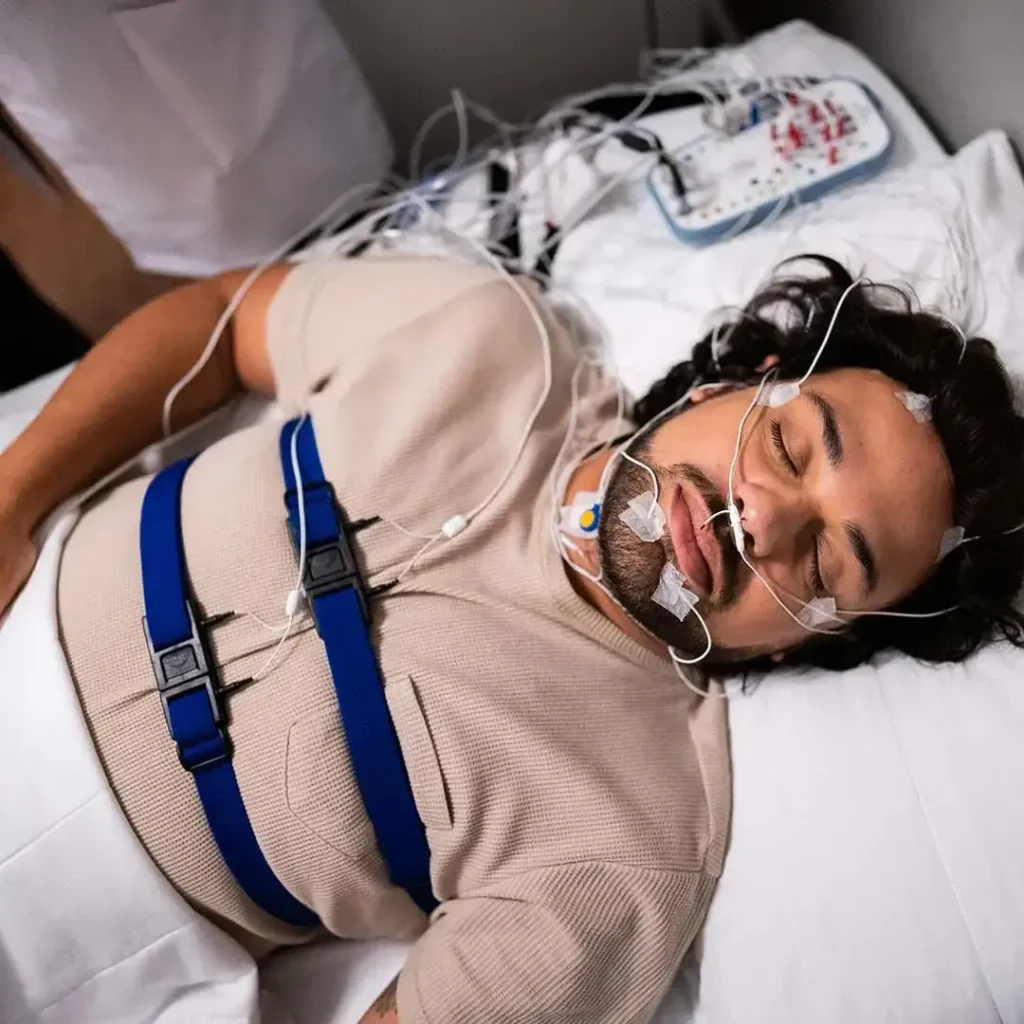
In-clinic testing measures far more signals, including brain activity (EEG), eye movements, muscle tone, limb movements, and detailed sleep staging. That extra data helps identify issues beyond breathing, such as parasomnias, seizures during sleep, narcolepsy, and complex movement disorders. Click here to understand more about narcolepsy.

Home studies mainly focus on breathing-related sleep disorders. If they need a full picture of sleep architecture and arousals, a lab study can be more informative.

Which option is more comfortable for most people?

A home sleep study is usually more comfortable because they can sleep in their own bed, follow their normal routine, and avoid an unfamiliar environment. That often leads to a more typical night of sleep.

In-clinic studies can feel intrusive due to multiple sensors and the clinic setting. However, some people sleep better in a controlled environment, especially if their home is noisy or chaotic.

Is a home sleep study in Brisbane faster to access?

Often, yes. Home sleep studies are commonly easier to schedule because they do not require an overnight clinic bed and staffing on the same scale. Many services can arrange equipment pickup or delivery quickly.

In-clinic studies can involve longer wait times, especially during busy periods. If their symptoms are affecting safety, such as drowsy driving, speed of access may matter.

How do costs typically compare between home and in-clinic testing?

Home sleep studies are typically cheaper because they use less equipment, fewer channels, and less overnight staffing. For people paying privately, that price difference can be significant.

In-clinic testing costs more due to the facility, sleep technicians, and comprehensive monitoring. Depending on their circumstances, rebates or referral pathways may change the final out-of-pocket cost, so they should confirm pricing before booking. Lean more about diagnosing clinical sleep disorders.
Home Sleep Study Brisbane

When is in-clinic testing the better choice?

In-clinic testing is often better when symptoms suggest something more complex than obstructive sleep apnoea or when prior home testing was inconclusive. It can also be the safer option for people with significant medical comorbidities where close monitoring is important.

It may be recommended if they have suspected central sleep apnoea, neuromuscular conditions affecting breathing, unusual nighttime behaviours, severe insomnia needing detailed assessment, or persistent symptoms despite treatment.

Can a home sleep study be “better” for treatment setup like CPAP?

For many uncomplicated cases, yes. A home sleep study can confirm obstructive sleep apnoea and support a streamlined pathway to CPAP therapy, especially when paired with a clinician review and follow-up.

However, some people need more nuanced titration or investigation before treatment. If they have complex breathing patterns, significant oxygen drops, or mixed apnoea types, a lab-based assessment can better guide next steps.

What should they consider before choosing a provider in Brisbane?

They should look for a service that includes proper clinical oversight, clear instructions, and a formal report reviewed by a qualified sleep physician or experienced clinician. Good follow-up matters because the test is only useful if it leads to an accurate diagnosis and a practical plan.

They should also ask what happens if the recording fails, whether a repeat is included, and how quickly results are delivered to them and their referring doctor.

So, is a home sleep study Brisbane better than in-clinic testing?

A home sleep study in Brisbane is often better as a first-line option for suspected obstructive sleep apnoea because it is convenient, comfortable, and cost-effective. In-clinic testing is better when the situation is complex, the risks are higher, or they need detailed sleep staging and broader diagnostic coverage.

The simplest rule is this: if their symptoms look straightforward, home testing is usually enough; if anything feels unclear, severe, or unusual, a clinic study is more likely to provide answers.
Home Sleep Study Brisbane

FAQs (Frequently Asked Questions)

What are the advantages of a home sleep study in Brisbane compared to in-clinic testing?

A home sleep study in Brisbane is often cheaper, faster to book, and more comfortable since you can sleep in your own bed and follow your normal routine. It is a convenient first step for diagnosing straightforward obstructive sleep apnoea.

Is a home sleep study accurate enough to diagnose sleep apnoea?

Yes, for straightforward suspected obstructive sleep apnoea, home sleep studies usually provide accurate measurements of breathing, oxygen levels, heart rate, and airflow patterns to confirm the condition and guide treatment. However, accuracy may decrease if other complex conditions are present or if sensors are not applied properly.

When should I consider an in-clinic sleep study over a home test?

An in-clinic sleep study is better when symptoms suggest complex sleep disorders beyond obstructive sleep apnoea, such as parasomnias, seizures during sleep, narcolepsy, or movement disorders. It is also recommended if prior home testing was inconclusive or if you have significant medical comorbidities requiring close monitoring.

How do comfort levels compare between home and in-clinic sleep studies?

Most people find home sleep studies more comfortable because they can stay in their familiar environment and maintain their usual bedtime routine. In-clinic studies involve multiple sensors and an unfamiliar setting which some may find intrusive, though certain individuals may prefer the controlled environment of a clinic.

Are home sleep studies quicker to access than in-clinic tests in Brisbane?

Often yes. Home sleep studies typically have shorter wait times because they do not require overnight clinic beds or extensive staffing. Many providers offer quick equipment pickup or delivery services, making them accessible especially when timely diagnosis is important.

How do costs differ between home and in-clinic sleep studies?

Home sleep studies generally cost less due to simpler equipment and reduced staffing needs. In contrast, in-clinic tests are more expensive because of comprehensive monitoring and facility fees. Costs can vary based on private payment options, rebates, or referral pathways, so it’s advisable to confirm pricing before booking.
Related: Everything You Need to Know Before Getting a Sleep Study Adelaide

Sleep Study Adelaide

Everything You Need to Know Before Getting a Sleep Study Adelaide

A sleep study in Adelaide helps clinicians figure out why someone is not sleeping well, snoring loudly, or feeling exhausted during the day. It records key body signals overnight so a sleep physician can diagnose issues like obstructive sleep apnoea, insomnia patterns, or movement disorders.

For many people, the hardest part is not the test itself. It is knowing what to expect, what it can and cannot show, and how to prepare so the results are useful when considering a sleep study Adelaide and ensuring the process provides accurate insights into sleep health.

What is a sleep study, and what does it measure?

A sleep study records sleep and breathing to identify disruptions that someone cannot see at home. It typically tracks airflow, oxygen levels, breathing effort, heart rate, body position, and snoring.

In more comprehensive studies, it can also measure brain activity and sleep stages. That extra detail helps clinicians separate problems such as apnoea, insomnia, and unusual movements during sleep.

Who should consider a sleep study in Adelaide?

They should consider a sleep study if they have symptoms that suggest a sleep disorder that needs confirmation. Common triggers include loud snoring, choking or gasping at night, witnessed pauses in breathing, morning headaches, or persistent daytime sleepiness.

Sleep Study Adelaide

It can also be relevant for people with high blood pressure, type 2 diabetes, or weight gain where sleep apnoea is suspected. Some may be referred because of fatigue-related driving risk or work safety concerns. You may also visit https://www.healthdirect.gov.au/type-2-diabetes to get more kowledge about type 2 diabetes.

How do they know if they need a home study or an in-lab study?

The best option depends on symptoms, medical history, and what the clinician needs to rule in or out. Home sleep studies are often used when obstructive sleep apnoea is strongly suspected and there are no complex medical issues.

In-lab studies are more suitable if they have significant heart or lung disease, suspected central sleep apnoea, unusual movements, possible narcolepsy, or when prior testing was unclear. In-lab testing can also capture more signals and sleep stages.

What happens during a home sleep study?

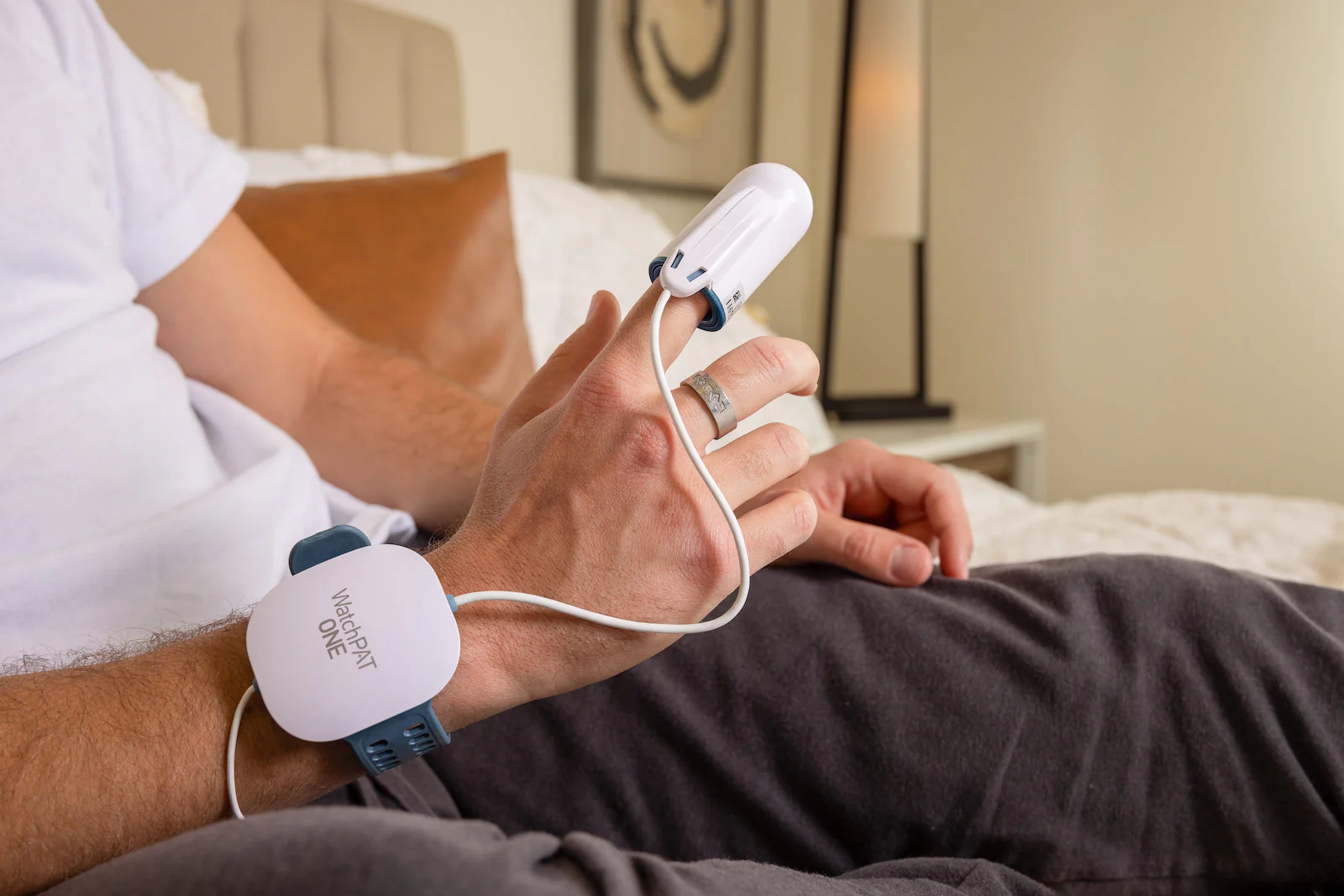
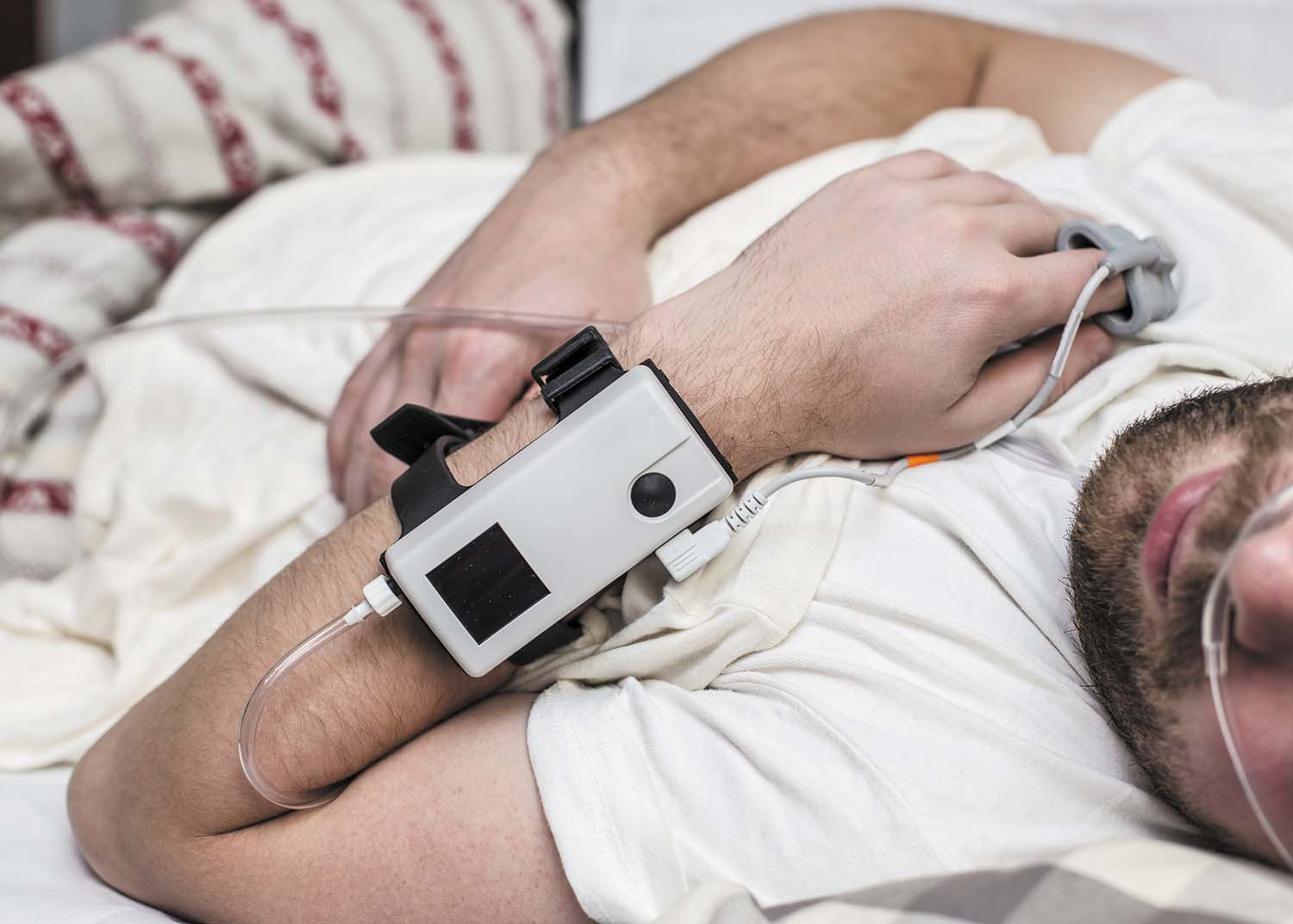
A home sleep study usually involves a small portable device they wear for one night. It commonly includes a nasal cannula to measure airflow, a finger probe for oxygen, and belts around the chest or abdomen for breathing effort.

They set it up before bed, sleep in their own environment, then return the equipment the next day. Because it is done at home, the night can feel more normal, though sensors can still take a little getting used to.

What happens during an in-lab sleep study?

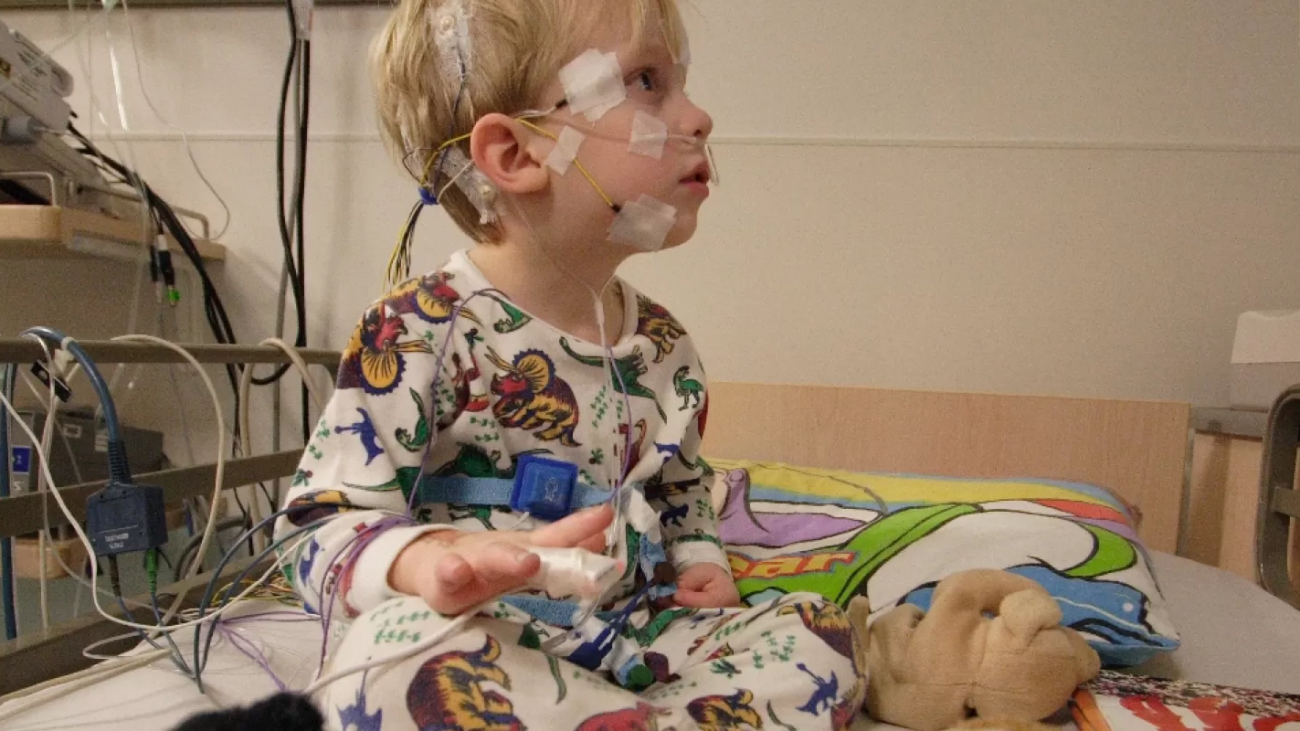
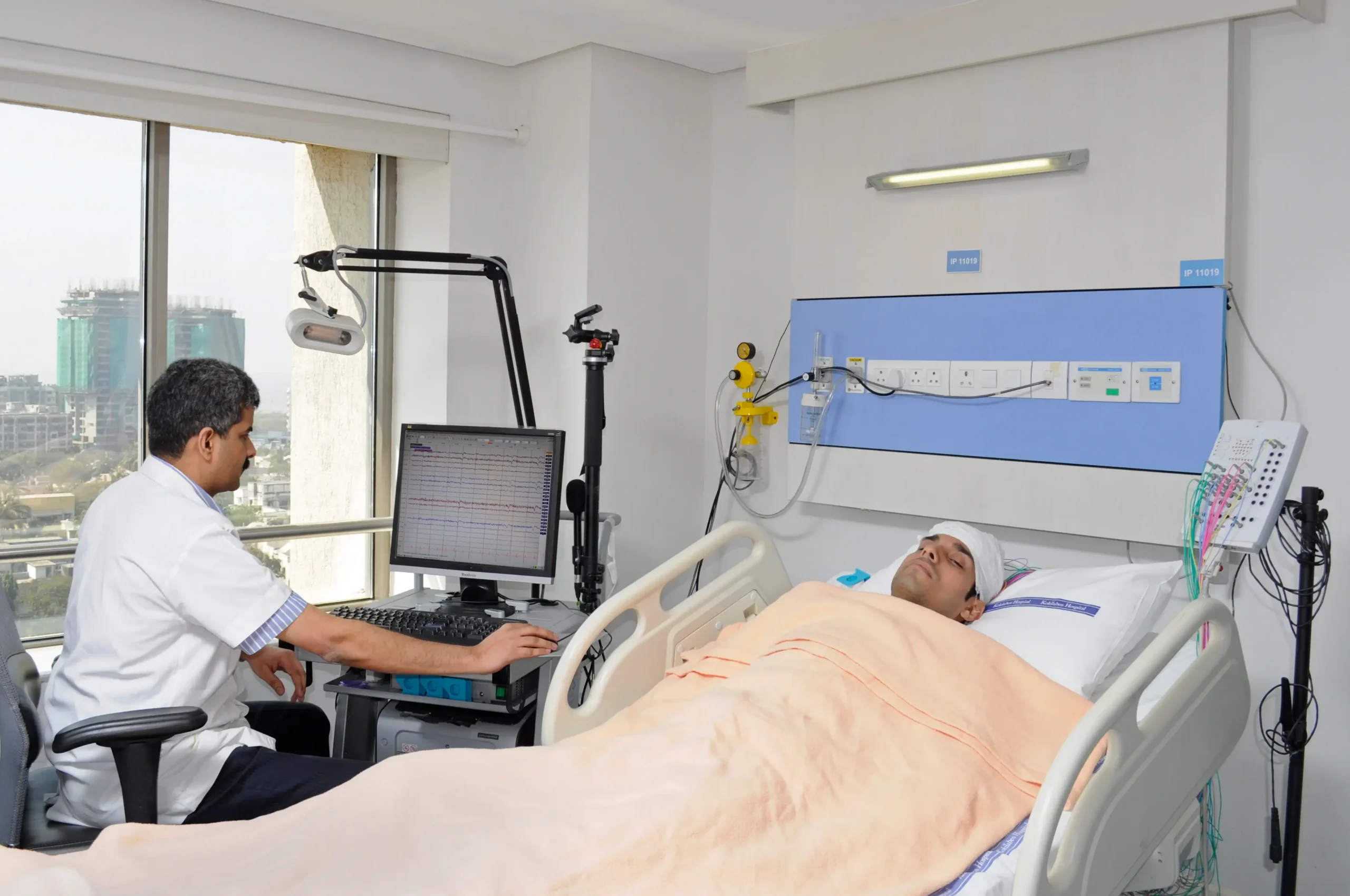
In-lab studies are done overnight in a sleep clinic where trained staff monitor signals throughout the night. They are fitted with sensors that may include scalp electrodes for sleep stages, eye movement sensors, muscle sensors, breathing measures, and oxygen monitoring. Learn more about overnight diagnostic sleep studies.

Staff can troubleshoot sensors if they fall off and may add extra monitoring if needed. The environment is designed for sleep, but it still differs from home, which can slightly affect how quickly they fall asleep.

How should they prepare the day of the sleep study?

They should aim for a typical day so the test reflects normal sleep. Most clinics recommend avoiding naps, limiting caffeine later in the day, and avoiding alcohol because it can worsen snoring and apnoea.

They should follow medication instructions from the referring clinician and bring their usual bedtime items if attending in-lab. Clean, dry skin can help sensors stick properly, so heavy lotions and hair products are best avoided.

Sleep Study Adelaide

What should they bring if the sleep study is in a clinic?

They should bring comfortable sleepwear, toiletries, and any nighttime medications they normally take. If they use a mouthguard or other sleep device, they should bring it unless told otherwise.

Many people also bring a book or headphones to wind down. They can ask ahead about parking, check-in times, and whether they can eat a light snack before settling in.

What do sleep study results usually show?

Results usually show whether breathing is repeatedly interrupted during sleep and how severe those interruptions are. For suspected sleep apnoea, clinicians often focus on indices that count breathing events and how low oxygen levels drop.

They may also comment on snoring, sleep position effects, heart rate changes, and sleep quality. For in-lab studies, results can include sleep stage distribution and arousal patterns.

How long does it take to get results and next steps?

It often takes days to a couple of weeks, depending on the clinic and whether a sleep physician needs to review a detailed report. Once results are in, they may be offered a follow-up appointment to explain what was found.

If sleep apnoea is diagnosed, next steps can include CPAP therapy, oral appliances, weight management support, positional therapy, or referral to an ENT specialist. If apnoea is not present, the clinician may investigate insomnia, restless legs, or circadian issues.

What are the most common concerns, and what should they know?

Many worry they will not sleep, but clinicians can still get useful data even if sleep is shorter than usual. Others worry the equipment will hurt, but sensors are designed to be non-invasive and safe.

Some also assume snoring always equals apnoea, which is not always true. A sleep study is helpful because it separates simple snoring from clinically significant breathing disruption that needs treatment.

sleep study process

How can they make sure their sleep study is as accurate as possible?

They should follow setup instructions carefully and try to sleep as normally as possible. For home studies, correct placement of sensors and keeping the device on overnight are the biggest factors.

They should also tell the clinician about typical sleep habits, alcohol use, medications, and nasal congestion, since those can affect breathing. If the night was unusual, they should mention it so the report is interpreted in context.

FAQs (Frequently Asked Questions)

What is a sleep study in Adelaide and what does it measure?

A sleep study in Adelaide records key body signals overnight to help clinicians diagnose sleep issues. It measures airflow, oxygen levels, breathing effort, heart rate, body position, and snoring. More comprehensive studies also track brain activity and sleep stages to identify problems like obstructive sleep apnoea, insomnia, or movement disorders.

Who should consider undergoing a sleep study in Adelaide?

Individuals experiencing symptoms such as loud snoring, choking or gasping at night, witnessed breathing pauses, morning headaches, or persistent daytime sleepiness should consider a sleep study. It is also relevant for people with high blood pressure, type 2 diabetes, weight gain where sleep apnoea is suspected, or those with fatigue-related driving risks or work safety concerns.

How do I know if I need a home sleep study or an in-lab sleep study?

The choice depends on your symptoms and medical history. Home sleep studies are suitable when obstructive sleep apnoea is strongly suspected without complex health issues. In-lab studies are better for those with significant heart or lung disease, suspected central sleep apnoea, unusual movements during sleep, possible narcolepsy, or unclear prior tests. In-lab studies capture more detailed signals including sleep stages.

What should I expect during a home sleep study?

During a home sleep study in Adelaide, you will wear a small portable device overnight that includes sensors like a nasal cannula for airflow, a finger probe for oxygen levels, and belts around the chest or abdomen to measure breathing effort. You’ll set up the equipment before bed and return it the next day. Although done at home for comfort, some sensors may take getting used to.

How can I prepare for my sleep study to ensure accurate results?

To prepare for your sleep study in Adelaide, aim for a typical day by avoiding naps and limiting caffeine later in the day. Avoid alcohol as it can worsen snoring and apnoea. Follow medication instructions from your clinician and keep skin clean and dry to help sensors stick properly. For in-lab studies, bring comfortable sleepwear and any usual nighttime devices like mouthguards.

What happens after my sleep study and how long until I get results?

Sleep study results usually take from a few days up to two weeks depending on the clinic. A sleep physician reviews the data and you may have a follow-up appointment to discuss findings. If obstructive sleep apnoea is diagnosed, treatment options include CPAP therapy, oral appliances, weight management support, positional therapy, or referral to an ENT specialist. If no apnoea is found, other issues like insomnia or restless legs may be investigated.

Related: Is a Home Sleep Study Brisbane Better Than In-Clinic Testing?